
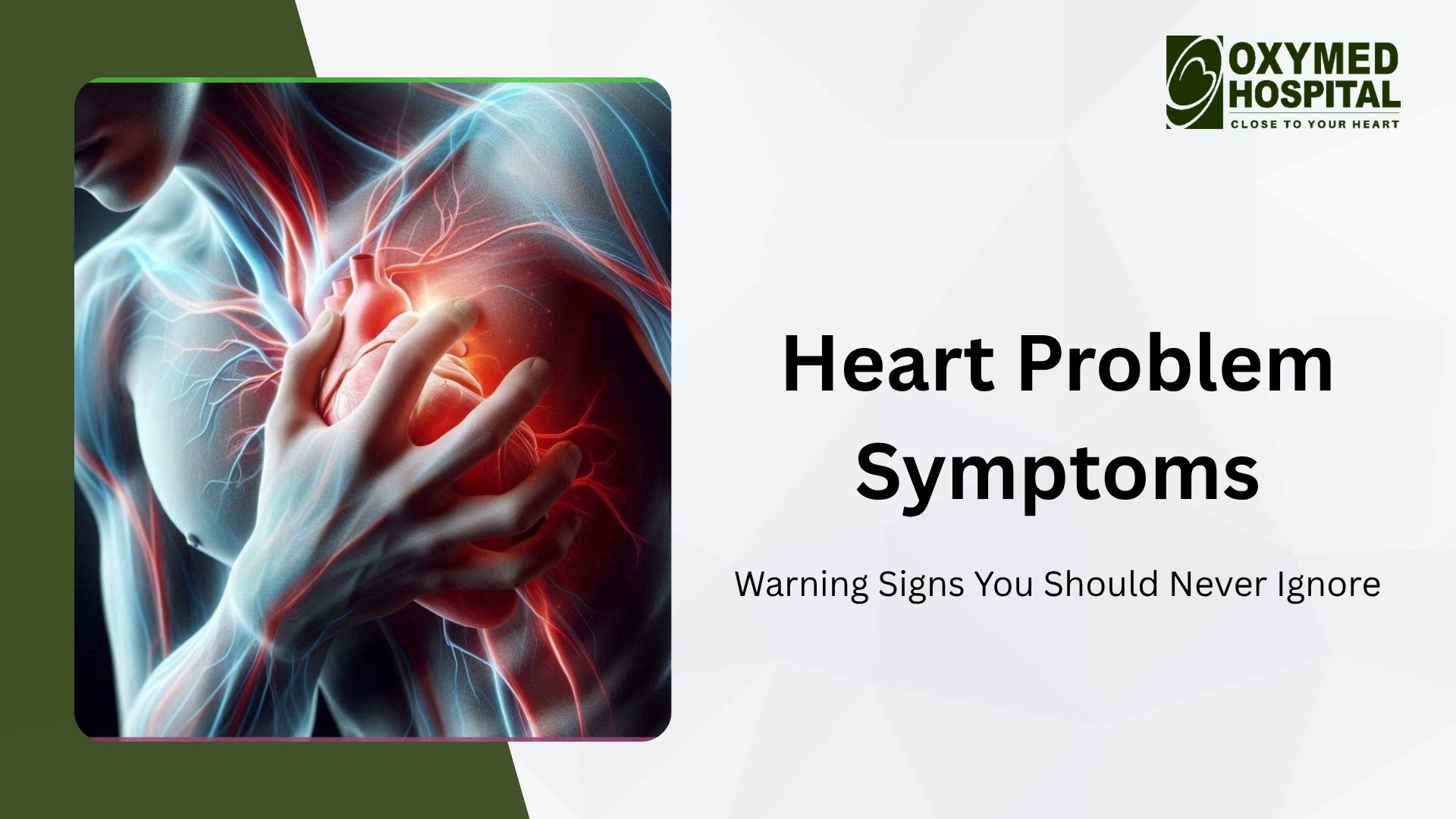
Heart health is something many people take for granted until symptoms begin to affect daily life. In today’s fast-paced lifestyle, stress, unhealthy eating habits, lack of exercise, smoking, and diabetes have increased the risk of heart disease among people of all ages. Recognizing heart problem symptoms early can help prevent serious complications and save lives.
If you or your loved ones experience unusual chest pain, breathlessness, fatigue, or irregular heartbeat, it may be time to consult specialists at Oxymed Hospital, considered one of the best heart hospitals in Chennai for advanced cardiac care and EECP treatment.
The heart is responsible for pumping blood throughout the body. When blood flow is blocked or the heart struggles to function properly, various symptoms begin to appear. Some symptoms may develop slowly, while others can happen suddenly during a heart attack or cardiac emergency.
Many people ignore early warning signs because they assume it is just stress, tiredness, acidity, or aging. However, identifying heart problem symptoms early can make treatment more effective and reduce the risk of severe complications.
Chest pain is one of the most common symptoms of heart disease. The pain may feel like:
Some people experience mild discomfort, while others feel intense pain. Chest pain during walking, climbing stairs, or stress should never be ignored.
Breathlessness while walking, climbing stairs, or even resting can indicate poor heart function. When the heart cannot pump blood efficiently, fluid may build up in the lungs, causing difficulty breathing.
Many people with heart conditions notice:
Shortness of breath is a major warning sign that requires medical attention.
A healthy heart usually beats steadily. If you notice:
it may indicate an underlying heart condition. Occasional palpitations may be harmless, but frequent irregular heartbeat should be evaluated by a cardiologist.
Extreme tiredness without physical activity can be linked to heart problems. When the heart struggles to pump oxygen-rich blood, the body becomes weak and exhausted.
Women especially may experience unusual fatigue days or weeks before a heart attack.
Symptoms include:
Heart-related pain does not always stay in the chest. Some people experience pain in:
This type of discomfort may come and go and should not be ignored.
Swelling can occur when the heart cannot circulate blood properly. Fluid retention leads to swelling in the lower body.
Common signs include:
This may indicate heart failure or circulation problems.
Frequent dizziness, lightheadedness, or fainting can happen when the brain does not receive enough blood flow.
Possible reasons include:
If dizziness happens repeatedly, consult a heart specialist immediately.
Sudden cold sweats without physical activity may indicate a heart attack. Many people describe this as unusual sweating along with chest discomfort and breathlessness.
Do not ignore sudden sweating combined with:
A heart attack occurs when blood flow to the heart is blocked. Symptoms can vary from person to person.
Common heart attack symptoms include:
Some people experience silent heart attacks with mild symptoms. Diabetic patients are especially at risk of missing early warning signs.
Women may experience different symptoms than men. Instead of severe chest pain, they may notice:
Because symptoms can appear mild, many women delay treatment. Early diagnosis is essential.
Heart disease is no longer limited to older adults. Increasing stress, smoking, obesity, lack of sleep, and unhealthy food habits are causing heart problems among younger people too.
Warning signs in young adults include:
Ignoring symptoms at a young age can lead to serious complications later.
Several factors increase the risk of heart problems:
High blood pressure forces the heart to work harder and damages blood vessels.
High sugar levels can damage arteries and increase heart disease risk.
Smoking reduces oxygen supply and damages blood vessels.
Excess body weight increases pressure on the heart.
Long-term stress affects blood pressure and heart health.
Cholesterol buildup can block arteries and reduce blood flow.
A family history of heart disease increases the likelihood of developing similar conditions.
Prevention plays a major role in maintaining heart health.
Include:
Avoid:
At least 30 minutes of daily exercise improves heart health.
Stopping smoking significantly lowers heart disease risk.
Meditation, yoga, and proper sleep help reduce stress levels.
Routine checkups help identify heart problems early.
Consult a doctor immediately if you experience:
Delaying treatment can worsen heart conditions.
If you are searching for the best heart hospital in Chennai, Oxymed Hospital Chennai offers specialized cardiac care with experienced doctors and advanced treatment options.
The hospital is known for:
Patients from different regions trust Oxymed Hospital for quality heart care and long-term recovery support.
Many heart conditions can be managed successfully if diagnosed early. Ignoring symptoms may lead to:
Timely medical consultation can improve quality of life and reduce health risks.
Heart disease often develops silently, but the body gives warning signs before serious complications occur. Understanding heart problem symptoms can help you take action early and protect your health.
Never ignore symptoms like chest pain, breathlessness, fatigue, or irregular heartbeat. Regular health checkups, healthy lifestyle habits, and early treatment can make a huge difference.
For expert cardiac consultation and advanced heart care, visit Oxymed Hospital, one of the trusted names for heart treatment and EECP care in Chennai.