
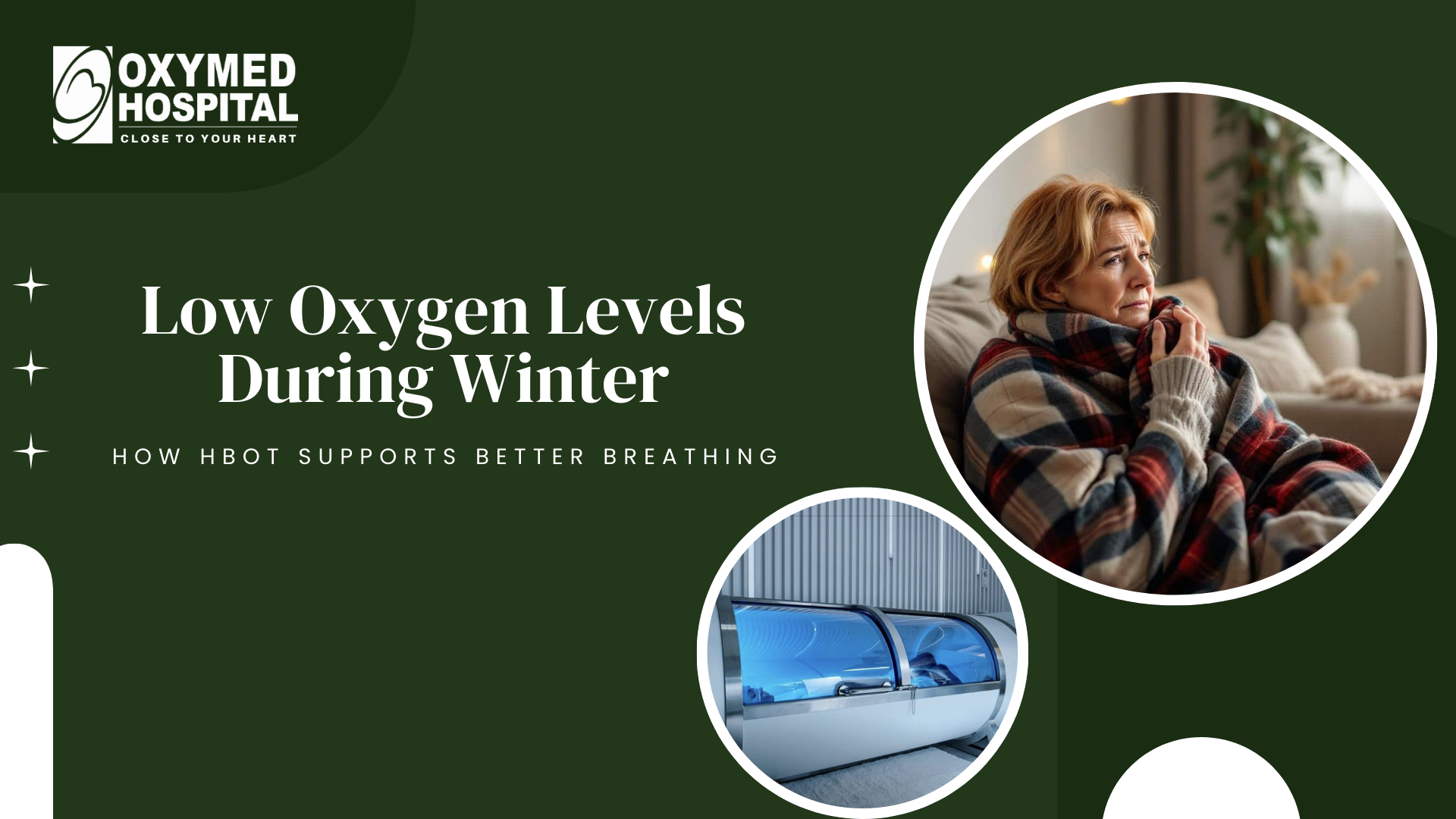
You know that feeling when you step outside on a cold morning and your chest just tightens up? Or when you're indoors all day and suddenly you feel kind of foggy and tired for no obvious reason?
Winter does something to our breathing that most people don't really think about. The air changes, our bodies react, and for a lot of us (especially anyone dealing with lung issues, heart problems, or diabetes) it gets noticeably harder to catch a good breath.
Here's what's actually going on and what you can do about it.
Cold air isn't just uncomfortable. It's literally harder for your body to work with. When temperatures drop, the air gets denser and drier. Your airways don't love that. They tighten up, which means less oxygen gets through with each breath.
Even if you're perfectly healthy, you might notice you get winded faster in winter. For people with asthma, COPD, or any kind of respiratory condition, it's way more obvious. Your lungs are already working harder, and winter just piles on.
Plus, think about where you spend most of your time in winter. Indoors, right? Heaters running, windows closed, same air circulating over and over. The oxygen quality in those spaces drops. Carbon dioxide builds up. That's why you get those random headaches or feel sluggish even though you didn't really do anything.
If you've got any of these going on, winter probably hits you harder:
December and January are when doctors see the most complaints about chest heaviness, dizziness, trouble breathing, and just feeling wiped out.
Your body's pretty good at letting you know something's off. Watch for things like:
If you're noticing a bunch of these, especially during winter, your oxygen levels might be struggling.
HBOT stands for Hyperbaric Oxygen Therapy. Basically, you breathe pure oxygen inside a pressurized chamber. Sounds a bit sci-fi, but it's been around for a while and it works.
Here's the deal. Normally, your lungs can only absorb so much oxygen from regular air. But when you're in that chamber with increased pressure, way more oxygen dissolves into your bloodstream. Your cells get flooded with the good stuff. And that makes a real difference, especially when winter air is already making things harder.
Let's break down what it does:
Your lungs work better. The pressure helps your airways open up and reduces inflammation. People with asthma or lingering COVID breathing issues notice they can take deeper breaths after a few sessions.
You get your energy back. Low oxygen makes you feel like you're moving through mud. HBOT gets oxygen to your muscles, brain, and heart. That winter sluggishness? It starts to lift.
Your heart doesn't have to work as hard. In cold weather, your blood vessels constrict and your heart's pumping overtime. HBOT improves circulation so your heart can chill out a bit.
Your immune system gets a boost. Oxygen is what your white blood cells need to do their job. More oxygen means better defense against all those winter bugs going around.
Wounds heal faster. This is huge for diabetic patients. Winter slows circulation, which means cuts and wounds take forever. HBOT speeds that process up by getting oxygen to the damaged tissue.
Your brain fog clears. When your brain's not getting enough oxygen, everything feels harder. Concentration, memory, even sleep. HBOT helps you feel sharper and more alert.
HBOT makes sense if you're dealing with:
Or honestly, if you just want to breathe easier and feel stronger during the cold months, it's worth looking into.
HBOT works better when you're also taking care of the basics:
Bundle up before you go outside. Don't shock your system with sudden cold air.
Get a humidifier. Dry indoor air is rough on your airways.
Practice slow, deep breathing. Sounds simple, but it genuinely helps.
Drink water. Even if you're not sweating, your body needs it to keep your airways moist.
Crack a window now and then. Fresh air matters, even when it's cold.
Eat foods with antioxidants. Citrus, nuts, leafy greens. Your lungs will thank you.
Move around. Even light activity keeps your lung capacity from dropping.
Stay away from smoke and pollution as much as possible.
Winter's tough on your respiratory system. The cold, dry air and stuffy indoor spaces make breathing harder and can make existing health issues worse.
HBOT is a solid, non-invasive way to help your body handle winter better. It gets your oxygen levels up, helps you breathe easier, boosts your immune system, and supports your heart and lungs when they need it most.
If you've been feeling off this season (tired, breathless, just not quite right), it might be worth asking your doctor about HBOT. At Oxymed Hospital, we've seen how regular sessions can make a real difference in how people feel and function through the cold months. Patients come in struggling with winter symptoms and leave breathing easier, with more energy and better overall comfort.