
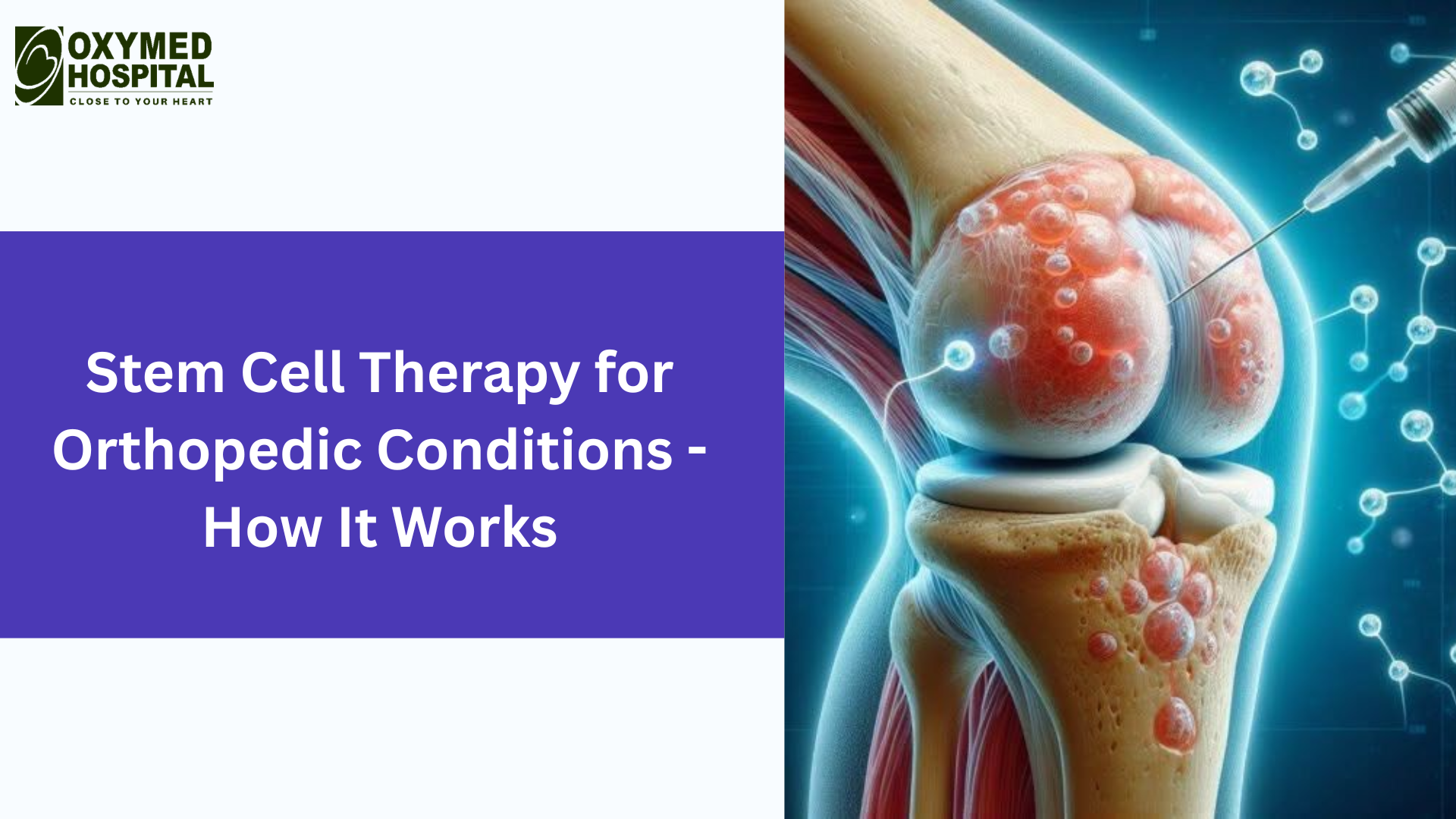
Joint pain. Knee stiffness. Chronic back discomfort. For many people, orthopedic problems slowly reduce mobility and quality of life. While surgery has long been considered the ultimate solution for severe joint issues, medical science now offers advanced regenerative treatments that help the body heal naturally.
One such breakthrough is Stem Cell Therapy, a modern, minimally invasive treatment that is transforming orthopedic care. Let’s explore how stem cell therapy works, who can benefit from it, and why it is becoming a preferred option for patients seeking non-surgical relief.
Stem cells are special cells in the body that have the ability to develop into different types of tissues including bone, cartilage, muscle, and ligament tissue. These cells play a crucial role in repairing damaged structures.
In orthopedic care, stem cell therapy involves:
The goal is simple: stimulate natural healing and tissue regeneration.
Orthopedic conditions often occur due to:
Unlike painkillers that only reduce symptoms, stem cell therapy addresses the root cause by encouraging regeneration.
A specialist evaluates the joint or injured area using imaging techniques such as MRI or X-ray to determine if stem cell therapy is suitable.
Stem cells are typically harvested from the patient’s bone marrow or adipose (fat) tissue.
The collected sample is processed to isolate and concentrate regenerative cells.
The concentrated stem cells are injected directly into the affected joint or tissue under medical guidance.
Once injected, stem cells:
Over time, this leads to reduced pain and improved mobility.
Stem cell therapy is commonly used for:
Patients who want to delay or avoid joint replacement surgery often consider this regenerative treatment.
No major surgery. No large incisions. The procedure is done using injections.
Compared to surgery, recovery time is significantly shorter.
Stem cells help control inflammation at the source, leading to long-term relief.
Instead of replacing tissue, stem cell therapy encourages the body to repair itself.
Because the therapy often uses the patient’s own cells, the risk of rejection or allergic reaction is minimal.
Stem cell therapy may be suitable for:
However, advanced joint damage or complete cartilage loss may require alternative treatment options. A proper consultation with an orthopedic specialist is essential.
After stem cell injection:
Unlike instant pain relief injections, stem cell therapy focuses on long-term healing. Most patients notice progressive improvement in joint function and pain reduction.
When performed in a certified medical facility by experienced professionals, stem cell therapy is considered safe. Proper evaluation, sterile processing, and expert administration are crucial for optimal results.
It is important to choose a trusted healthcare provider with expertise in regenerative medicine and orthopedic care.
Regenerative medicine is rapidly evolving. Stem cell therapy is not just about pain relief it represents a shift in how orthopedic conditions are treated.
Instead of replacing damaged joints, modern medicine is now focusing on repairing them naturally.
For patients in India seeking advanced orthopedic solutions, this treatment offers hope for:
Many patients delay treatment until the pain becomes unbearable. However, early intervention increases the chances of successful regeneration.
If you are experiencing:
It may be time to consult a specialist and explore regenerative options.
Stem Cell Therapy is redefining orthopedic treatment by offering a safe, minimally invasive, and effective solution for joint and musculoskeletal conditions.
If you are looking for expert care and advanced regenerative treatments, consult experienced specialists who can guide you through the best options for your condition.
Visit Oxymed hospital chennai to learn more and book your consultation today.
Your journey to stronger joints and pain-free movement starts with the right medical support.